Dental Implants: Everything Patients Need to Know
Dental implants can replace missing teeth and restore chewing function, but they require an individualized evaluation. Learn about the steps, alternatives, and care involved before deciding on treatment.

A dental implant is a structure placed in the upper or lower jawbone to support a restoration that replaces one or more missing teeth. It can improve chewing, appearance, and the stability of tooth replacements, but whether it is appropriate depends on oral health, overall health, and individualized treatment planning.
What Is a Dental Implant, and How Does It Work?
To understand treatment, it helps to distinguish three parts that are often collectively called an “implant”:
- Implant: A structure inserted into the bone, usually made of titanium, that supports the restoration.
- Prosthetic component or abutment: The part that connects the implant to the restoration, depending on the system used.
- Prosthesis: The visible restoration in the mouth that replaces a tooth or a set of teeth.
After placement, osseointegration occurs—a process in which the bone forms a stable connection with the implant surface. Treatment planning must account for this process when determining when and how to apply chewing forces.
An implant is not a natural tooth: it has no periodontal ligament and cannot develop cavities. However, the surrounding tissues can become inflamed and lose supporting bone, compromising treatment. That is why oral hygiene and follow-up care remain essential.
Read also: Peri-Implantitis: Prevention, Diagnosis, and Treatment · Dental Implants in Patients With Diabetes Who Smoke: Risks and Care · Morse Taper vs. External Hex Implants: Differences and Selection
Who Is a Candidate for Dental Implants?
People missing one, several, or all of their teeth may be candidates. The decision involves more than missing teeth: the dentist must determine whether surgery and the planned restoration are appropriate for that individual.
The evaluation considers:
- The quantity and quality of available bone.
- Gum health and the presence of periodontal disease.
- Space for the restoration and how the teeth fit together when biting.
- Oral hygiene and the ability to maintain the restoration.
- Medical history, medications, and habits such as smoking.
- Expectations for appearance and function.
Is There an Upper Age Limit for Dental Implants?
Age alone does not determine eligibility. An older adult with favorable health conditions may receive implants, while a younger patient may need to manage health problems before surgery.
For children and teenagers, it is generally necessary to wait until jaw growth is complete. Early placement can lead to differences in position between the implant and natural teeth as development continues.
Do Diabetes, Smoking, or Medications Prevent Treatment?
Well-controlled diabetes is not, by itself, an absolute contraindication. Poor metabolic control, however, can impair healing and increase the risk of complications.
Smoking also increases the risk of healing problems and diseases around implants. Antiresorptive medications, radiation therapy to the head and neck, and other conditions require specific evaluation. Never stop taking medications on your own: when necessary, your dentist should coordinate care with your treating physician.
How Dental Implant Treatment Works: Step by Step
Treatment does not begin with surgery. It begins with diagnosis and determining where the replacement teeth should be positioned.
1. Consultation, Clinical Examination, and Health History
The dentist investigates the cause of tooth loss, examines the teeth and gums, and evaluates the bite. The discussion also covers medical conditions, medications, past experiences, and expectations.
Compromised teeth should not automatically be removed to make room for implants. Whenever predictable tooth preservation is possible, that option should be discussed.
2. Imaging and Restorative Planning
X-rays and, when indicated, cone-beam computed tomography (CBCT) help assess the bone and its relationship to structures such as nerves and the maxillary sinuses. Every imaging examination should have a clinical justification.
Photographs, impressions, or intraoral scans provide additional information. Implant positioning should support the planned restoration's appearance, strength, and cleanability—not simply take advantage of the existing bone.
3. Disease Control and Preparation of the Mouth
Cavities, gum inflammation, and periodontitis must be treated or controlled. This phase may also involve extractions, adjustments to existing restorations, and oral hygiene instruction.
When bone or gum tissue is insufficient, the plan may include reconstructive procedures before or during implant placement.
4. Implant Placement
Surgery is usually performed under local anesthesia. The clinician prepares the site in the bone and places the implant according to the treatment plan. Sedation may be considered in selected situations, with appropriate evaluation and facilities.
Depending on the technique, the implant may remain covered by gum tissue or receive a healing component that is visible in the mouth.
5. Healing and Placement of the Restoration
Healing is monitored at follow-up appointments. Once the necessary conditions are confirmed, the dentist completes the restorative steps, which may include scanning or impressions, try-ins, and adjustments.
Delivery of the restoration does not mark the end of treatment: it begins the maintenance phase.
How Long Does Dental Implant Treatment Take?
The timeline varies depending on the need for extractions, grafting, healing, osseointegration, and the complexity of the restoration. Some cases allow an early temporary restoration; others require several months to complete.
It is important to distinguish two situations:
- Immediate implant placement: The implant is placed during the same procedure in which the tooth is extracted.
- Immediate loading: A restoration is connected to the implants shortly after surgery, under selected conditions.
One does not necessarily imply the other. Placing an implant after extraction does not mean it can immediately support a restoration used for chewing.
Immediate loading depends on factors including initial stability, bone characteristics, prosthesis design, and control of biting forces. Even when appropriate, it requires dietary precautions and follow-up care. “Same-day teeth” is not a promise that applies to everyone.
When Does a Dental Implant Require Bone Grafting?
After tooth loss, bone in the area tends to remodel and decrease in volume. In some patients, the remaining bone does not allow the implant to be placed in the position needed for an appropriate restoration.
Bone grafting aims to rebuild or supplement this support. It may be performed before implant placement or during the same procedure, depending on the defect and whether the implant can be stabilized.
In the back of the upper jaw, proximity to the maxillary sinus may require a specific approach, such as sinus floor elevation, also called a sinus lift. Not every patient needs this procedure.
Different reconstructive options and implant dimensions are available, but none should be chosen simply to avoid a treatment step. The decision must consider anatomical safety, hygiene, biomechanics, and prognosis.
Guided Surgery and Digital Implant Planning
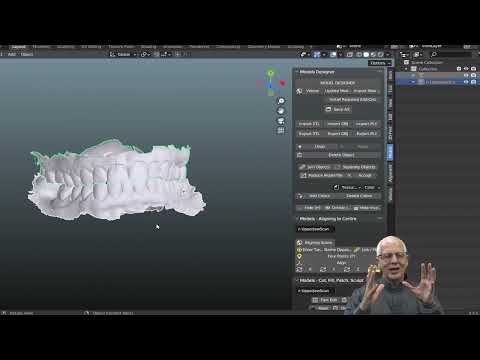
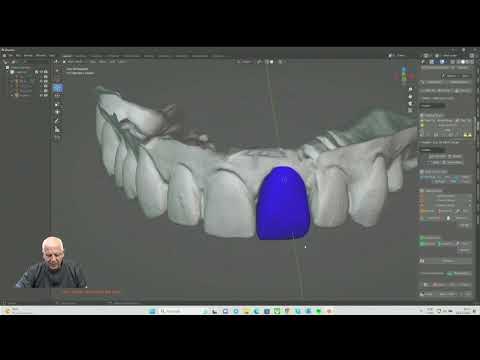
In guided surgery, CBCT data are combined with records of the mouth to virtually plan implant positions. This plan can then be used to produce a surgical guide that directs steps of implant placement.
The digital workflow helps visualize the relationship between bone, gum tissue, and the planned restoration. It also improves communication among the surgeon, restorative dentist, and dental laboratory.
However, guided surgery does not mean risk-free surgery, incision-free surgery, or necessarily surgery without stitches. Deviations between the plan and its execution are possible. The clinician must allow for safety margins, verify the guide's fit, and be prepared to modify the approach.
Technology supports diagnosis and treatment delivery; it does not replace clinical experience or make every case the same.
What Types of Implant-Supported Restorations Are Available?
The number of missing teeth does not necessarily equal the number of implants needed. The distribution of implant support depends on the bone, bite, and prosthetic design.
| Restoration | When it may be considered | Key consideration |
|---|---|---|
| Single crown | Replacement of one tooth | Harmony with neighboring teeth and gum tissue |
| Implant-supported bridge | Replacement of several teeth | Force distribution and access for cleaning |
| Fixed full-arch prosthesis | Restoration of an arch with no remaining teeth | Restorative space, support, and daily cleaning |
| Implant-retained overdenture | A removable denture retained by implants | Patient removal and maintenance of attachments |
A fixed full-arch prosthesis, sometimes called a fixed hybrid denture, is removed by the dental professional when necessary. An overdenture, by contrast, is removed by the patient for cleaning. Either may be appropriate, depending on clinical needs and individual preferences.
Do Dental Implants Hurt? What Is Recovery Like?
With adequate anesthesia, pain is not expected during surgery, although you may feel pressure and vibration. Afterward, discomfort, swelling, and minor bleeding may occur, with varying intensity.
Recovery depends on the extent of surgery and the patient's health. Follow your prescriptions and postoperative instructions, and do not take antibiotics or anti-inflammatory medications on your own.
Common postoperative recommendations include:
- Adjusting your diet to the stage of healing.
- Avoiding physical exertion for the period specified by your clinician.
- Not smoking and avoiding injury to the surgical area.
- Maintaining oral hygiene using the recommended technique.
- Attending follow-up appointments.
Pain that increases rather than decreases, fever, drainage, persistent bleeding, or changes in sensation should be reported to your dentist. Difficulty breathing or swallowing requires emergency care.
What Are the Risks of Dental Implants?
Implant dentistry offers favorable outcomes in many situations, but no treatment is free of potential failure. Possible complications include infection, failure to integrate with the bone, injury to nearby structures, and graft-related complications.
Mechanical problems can also occur, such as screw loosening, wear, or fractures of components or the restoration.
Inflammation Around an Implant: Mucositis and Peri-Implantitis
Peri-implant mucositis is inflammation of the soft tissues around an implant without associated progressive bone loss. Peri-implantitis involves inflammation and loss of supporting bone.
Bleeding, swelling, drainage, and discomfort warrant evaluation. These diseases do not always cause pain in their early stages, so it is not safe to wait for severe symptoms before seeking care.
A history of periodontitis, inadequate hygiene, and smoking are important risk factors to assess. Follow-up care helps identify changes and determine the intervention needed.
How Much Do Dental Implants Cost, and How Long Do They Last?
Cost depends on the entire course of treatment: diagnosis, surgery, components, restoration, any grafting, and maintenance. Comparing only the price of the implant “post” can obscure important differences between treatment proposals.
Ask for a plan that explains what is included, which additional steps may be necessary, and what alternatives are available.
As for longevity, implants can remain functional for many years, but there is no guarantee that they will last a lifetime. The restoration and its components may also require repairs or replacement, even when the implant remains integrated with the bone.
Oral hygiene, disease control, bite conditions, and follow-up visits influence longevity. The frequency of maintenance appointments should be individualized according to risk.
In Clinical Practice
In the clinical approach of Dr. Welson Pimentel, who has more than 30 years of experience in dentistry, planning should begin with the desired restorative outcome and the patient's actual needs—not with selecting an implant in isolation.
This means evaluating whether the replacement tooth will allow proper chewing, speaking, and cleaning. An implant that is integrated with the bone but poorly positioned can create challenges for appearance, hygiene, and maintenance.
Before starting, consider asking: “What will my restoration look like?”, “How will I clean it?”, “Will I need a bone graft?”, and “What alternatives do I have?” Conventional prostheses and treatments to preserve teeth should also be part of the discussion when appropriate.
Have questions about your treatment? Book an assessment at Dr. Welson Pimentel’s dental practice in Botafogo, Rio de Janeiro, to discuss your needs and care options. Visit the dental practice
Conclusion
Dental implants are an important option for replacing missing teeth, but good outcomes depend on diagnosis, restorative planning, careful treatment delivery, and ongoing maintenance. The best choice respects your health, anatomy, and ability to care for the restoration.
Have questions about your treatment? Book an assessment at Dr. Welson Pimentel’s dental practice in Botafogo, Rio de Janeiro, to discuss your needs and care options. Visit the dental practice
Frequently asked questions
Can anyone get dental implants?
No. Eligibility depends on overall health, jaw growth, bone and gum conditions, and the ability to maintain good oral hygiene. Some conditions require management beforehand or modifications to treatment.
Can a tooth be extracted and an implant placed on the same day?
Yes, in selected cases. The extraction site, available bone, and ability to stabilize the implant must be evaluated. Immediate placement does not mean that a restoration used for chewing can also be placed that same day.
Does dental implant surgery hurt?
Surgery is usually performed under local anesthesia, and pain is not expected during the procedure. Afterward, discomfort and swelling may occur and are managed according to your dentist's individualized instructions.
Does every dental implant require a bone graft?
No. Grafting is considered when the available bone does not provide suitable conditions for placing the implant in the planned position. This decision depends on the clinical examination and indicated imaging.
Can the body reject a dental implant?
The term “rejection” is often used to describe implant failure, but this is generally not immune rejection like that seen with transplants. An implant may fail to integrate with the bone or later lose support for biological or mechanical reasons.
How do you clean an implant-supported restoration?
Cleaning combines brushing with tools suited to the restoration's design, such as interdental brushes and specialized floss, as directed by your dental professional. Removable dentures should be taken out for cleaning; fixed restorations require careful access to the areas near the gumline.
Dental care in Botafogo · Rio de Janeiro
Your smile deserves personalized care
Talk to Dr. Welson Pimentel about implants, prosthetics and oral health. An assessment is the first step toward understanding the right care for you.
- ✓ Dental implants
- ✓ Dental prosthetics
- ✓ Oral health