114 articles
Digital dentistry, guided surgery and implants — by Dr. Welson Pimentel
Outsourced Implant Planning: Why the Surgeon Must Validate the Guide Before Printing
Outsourcing digital implant planning does not replace the surgeon’s clinical assessment. Learn what to review before authorizing surgical guide printing.
9 min readProsthetically Driven Implant Planning: The Tooth Leads, the Implant Follows
In prosthetically driven planning, the desired tooth position guides implant placement. Learn how this approach integrates restorative dentistry, surgery, and digital tools while respecting each patient’s limitations.
8 min readHow to Move Beyond Dental Implant Price Wars by Communicating the Value of Guided Surgery
Moving beyond price wars requires making treatment planning understandable to patients—not just presenting technology. Learn to communicate the benefits and limitations of guided surgery clearly and responsibly.
9 min readDoes Freehand Cost Twice as Much? Guided vs. Freehand Implant Surgery and Prosthetic Rework
There is no basis for saying freehand implant surgery costs twice as much. The key is understanding how implant position affects the restoration and when guided surgery may help prevent rework.
8 min readGuided Surgery Kit Sitting Unused: The DICOM-STL Workflow Is the Bottleneck
A guided surgery kit alone cannot solve the challenges of digital planning. Learn how DICOM-STL integration turns diagnostic records into a clinically usable surgical guide.
8 min readFlapless Implant Surgery: How to Discuss Recovery With Patients
Flapless surgery may reduce tissue trauma in selected cases, but it does not eliminate the need for care after implant placement. Learn how to explain recovery clearly and compassionately while setting realistic expectations.
9 min readCommon Errors in Guided Implant Surgery and How to Manage Them Intraoperatively
Incomplete seating, guide instability, and incompatible components require careful clinical decisions. Learn what can be corrected and when to change the approach or stop the procedure.
9 min readDICOM and STL Files: What They Are and How to Combine Them for Treatment Planning
DICOM and STL show different aspects of the same patient: internal anatomy and oral surfaces. Learn how to integrate these files and verify their alignment in digital treatment planning.
9 min readHow to Submit a Case for Digital Planning Without Rework
A complete submission starts before you upload the files. Learn how to check imaging, records, and clinical objectives to reduce missing information in digital planning.
9 min readProsthetically Driven Implant Planning: Starting With the Restoration
In prosthetically driven planning, the desired restoration guides implant positioning—not the other way around. Learn how to integrate esthetics, function, anatomy, and digital tools into that decision.
8 min read3D Anatomical Models in Dentistry: Surgical and Educational Applications
3D anatomical models turn patient imaging into physical replicas that help clinicians study anatomy and prepare for procedures. Explore their surgical and educational applications and the considerations that determine their clinical usefulness.
8 min readEndodontic Guides: How Guided Endodontics Helps Access Calcified Canals
Guided endodontics uses three-dimensional imaging and digital planning to guide access to canals that are difficult to locate. Learn about endodontic guide indications, limitations, and essential precautions for calcified canals.
8 min readOutsourced Digital Implant Planning: Benefits for Dentists
Outsourcing digital implant planning gives your practice access to specialized resources without bringing the entire workflow in-house. Explore the benefits, limitations, and criteria for choosing a technical partner.
8 min readCone Beam CT for Dental Implants: How to Order and Interpret It
Cone beam CT provides a three-dimensional assessment of bone and anatomical structures before implant placement. Learn how to order the scan, recognize its limitations, and use the files in digital treatment planning.
9 min readImplant Dentistry Conferences: How to Get the Most Out of Them
Getting the most out of an implant dentistry conference takes clear goals, critical thinking, and a post-event plan. Learn how to turn lectures, connections, and demonstrations into knowledge you can apply in practice.
9 min readBilingual Dentists: English and French in Dental Care
Providing care in English and French takes more than knowing dental terminology. Learn how to create a safe experience for international patients and what to check when looking for a bilingual dentist in Niterói.
9 min readPlanejamento Express: guided implant surgery for dentists across Brazil
Planejamento Express supports dentists with digital implant planning, surgical guides, and prosthetic solutions. Learn how to organize the workflow and assess the needs of each case.
8 min readDentistry in Niterói: How to Choose a Dental Implant Specialist
Choosing a dental implant specialist in Niterói means evaluating credentials, treatment planning, and follow-up care—not just price or technology. Learn what to look for and what to ask at your first consultation.
8 min readArtificial Intelligence in Dentistry: Practical Uses Today
Artificial intelligence can already support image analysis, digital treatment planning, and dental practice management. Learn where it helps, what precautions it requires, and how to get started without losing clinical control.
9 min readDigital Dentistry Trends for the Years Ahead
Digital dentistry is moving toward more integrated workflows, with artificial intelligence, 3D printing, and data-driven treatment planning. Learn what these changes mean for clinical care, practice management, and dentists’ careers.
9 min readClinical Documentation and Dental Photography for Digital Cases
Dental photography connects the clinical examination with digital treatment planning and laboratory communication. Learn how to standardize images, organize files, and securely document decisions.
9 min readInfection Control in Digital Dentistry: Guides, Models, and Scanners
Digital workflows do not eliminate contamination risks—they shift the areas that need attention. Learn how to organize the processing of scanners, surgical guides, and printed models.
8 min readGuided Implant Surgery Pricing: How to Price Implant Treatment
Guided implant surgery pricing should account for the entire treatment, not just guide fabrication. Learn how to organize costs, compensate your team, and present a transparent treatment estimate.
9 min readHow to Explain Guided Implant Surgery to Patients
Explaining guided implant surgery means translating digital planning into information patients can use to make decisions. Learn how to present the steps, benefits, and limitations without creating unrealistic expectations.
9 min readDentist–Lab Communication in the Digital Workflow: How to Prevent Errors
Digital workflows work better when dentists and labs share records, goals, and approval criteria. Learn how to organize communication to reduce uncertainty and rework.
9 min readHow a Dental Practice Partners With a Digital Treatment Planning Center
A digital dental treatment planning center connects your practice’s patient records with digital planning and custom device fabrication. Learn how to structure this partnership, assign responsibilities, and evaluate a provider.
10 min readHow Dentists Can Grow Their Careers with Digital Dentistry
Growing your career with digital dentistry takes more than buying equipment: it requires developing clinical skills, organizing workflows, and building strong partnerships. Learn how to turn technology into real career opportunities.
9 min readOcclusion in Implant-Supported Prostheses: Fundamental Principles
Occlusion in implant-supported prostheses requires careful control of contacts and forces, accounting for the differences between implants and natural teeth. Learn how to plan, adjust, and maintain these restorations.
8 min readDigital Occlusal Splints: Planning and Fabrication
Digital occlusal splints combine clinical diagnosis, scanning, and CAD/CAM fabrication. Explore their indications, planning steps, and why intraoral adjustment remains essential.
8 min readBruxism and Dental Implants: How to Protect the Restoration
Patients with bruxism can receive dental implants, but treatment planning must account for prosthetic loading and long-term maintenance. Learn the roles of occlusal splints, bite assessment, and follow-up care.
8 min readTMD (Temporomandibular Disorders): Symptoms and Diagnosis
Pain when chewing, limited mouth opening, and jaw clicking may be related to TMD, but they do not confirm the diagnosis on their own. Learn how to recognize the signs and understand the clinical evaluation.
10 min readOrofacial Pain: When to See a Specialist
Pain in the face, jaw, or near the ear does not always come from the teeth. Learn when to see an orofacial pain specialist and which symptoms require immediate care.
8 min readGum Grafting Around Dental Implants: When Is It Indicated?
Gum grafting can improve tissue thickness, the width of keratinized mucosa, and soft tissue contours around dental implants. Learn when it makes sense and why evaluating implant position and the restoration is essential.
8 min readPeriodontal Disease: Signs, Causes, and Treatment
Bleeding gums, persistent bad breath, and loose teeth deserve attention. Learn the differences between gingivitis and periodontitis and how periodontal treatment works.
9 min readHow to Scan a Custom Emergence Profile
The emergence profile shaped by the provisional restoration must be captured before the tissues shift. Learn how to combine intraoral scanning, extraoral scanning of the provisional, and reliable digital references.
9 min readPeriodontics and Dental Implants: Gum Health as the Foundation for Success
The health of the tissues around teeth and implants influences treatment planning, maintenance, and stability. Learn why periodontal care should begin before surgery and continue after the restoration is placed.
8 min readDigital Bite Registration: Techniques and Common Errors
Digital bite registration relates the scanned arches in the mandibular position selected for treatment. Learn how to perform the technique, validate contacts, and recognize the most common errors.
8 min readHow to Choose the Best Intraoral Scanner for Your Dental Practice
The best intraoral scanner meets your clinical needs and integrates with your dental lab without unexpected costs or limitations. Here’s what to evaluate before you buy.
8 min readFull-Arch Scanning for Multiple Implants: Step by Step
Full-arch implant scanning requires careful scan body management, a defined capture strategy, and clinical verification. Learn the steps and precautions for a predictable digital workflow.
8 min readScan Bodies: What They Are and How to Scan Them Correctly
A scan body transfers the position of an implant or abutment into the digital workflow. Learn how to verify compatibility, capture an accurate scan, and recognize situations that require rescanning.
9 min readIntraoral Scanning vs. Conventional Impressions: Which Should You Choose for Each Case?
Intraoral scanning and conventional impressions can both deliver reliable results, but their indications and limitations differ. Learn what to consider when choosing an approach for restorations, implants, and digital treatment planning.
8 min readIntraoral Scanning: A Complete Guide for Dentists
Intraoral scanning connects clinical records with digital planning and fabrication. Explore its indications, limitations, and the clinical considerations that determine the quality of the result.
8 min readDigital Dentistry Courses: How to Choose the Right Training
Choosing a digital dentistry course means evaluating more than the software being taught. Learn how to compare curricula, supervised practice, facilities, and clinical applications.
9 min readSurgical Guide Design in Blender: The Complete Workflow
Learn how to organize surgical guide design in Blender, integrate implant treatment planning, and prepare the file for fabrication. Review critical considerations for fit, sleeves, and validation.
9 min readDental Implant Planning Software Comparison
The best dental implant planning software supports your clinical, restorative, and production workflows. Compare platforms and explore the criteria that matter most before choosing.
9 min readNemoscan: Features for Implant Planning and Surgical Guides
Nemoscan supports three-dimensional assessment and virtual implant planning. Explore its role in guided surgery, the records required, and the precautions that make digital workflows more reliable.
9 min readExoplan Made Simple: Step-by-Step Implant Planning
An Exoplan tutorial starts with scan quality and ends with clinical validation of the plan. Explore the steps for integrating anatomy, restorative goals, and guided implant surgery.
9 min readMedit Link: How to Organize Scans and Communicate With Your Dental Lab
Medit Link helps centralize cases, scans, and dental lab communication. Learn how to build an organized digital workflow, from patient identification to file submission.
9 min readBlender for Dental: What’s Free and How It Fits into the Digital Workflow
Blender is free, but Blender for Dental tools have their own licensing. Understand the difference and how this solution can support digital planning and manufacturing in dentistry.
9 min readImplant Libraries in Exocad: How to Install and Keep Them Updated
Installing an implant library in Exocad requires checking its source, compatibility, and intended restorative use. Learn how to organize files, validate components, and update libraries without compromising previous projects.
9 min readExocad for Beginners: Getting Started with Dental Restoration Design
Getting started with Exocad means understanding the clinical and laboratory workflow, not just the commands. Learn how to organize a case and design your first crown with fit, anatomy, and manufacturing in mind.
9 min readQuality Control in Digital Dental Prosthetics: From Scanning to Delivery
The quality of a digital dental prosthesis depends on checks at every stage—not just the accuracy of the mill or printer. Learn how to evaluate files, design, fabrication, and clinical outcomes.
8 min readIn-Office Digital Dental Lab: Investment and Return
Setting up an in-office digital dental lab takes more than buying a scanner and a 3D printer. Learn how to define your scope, calculate the investment, and decide what to produce in-house or outsource.
9 min readMonolithic vs. Layered Zirconia: How to Choose for Crowns
Monolithic zirconia reduces the risk of veneering porcelain chipping, while layered zirconia offers more options for esthetic characterization. The choice depends on the material, available space, occlusion, and underlying substrate.
8 min readSurgical Guide 3D Printing: Calibration and Post-Curing
Printing a surgical guide requires control of the entire workflow, from planning to sterilization. Learn how to calibrate the process, perform post-curing, and verify fit.
8 min read3D-Printed Models with Digital Implant Analogs: From Planning to the Lab Bench
A 3D-printed model with digital implant analogs lets you check stages of implant prosthodontics against a physical representation of the plan. Learn how to prepare the file, print the model, and validate the assembly.
8 min readMilling vs. 3D Printing: When to Use Each Technology
Milling and 3D printing are complementary technologies in digital dentistry. Learn how to choose a fabrication method based on the indication, material, and clinical requirements.
8 min readDental 3D Printing Resins: Which to Use for Each Application
The best dental resin depends on the clinical indication and validation of the entire manufacturing workflow. Compare materials for models, surgical guides, occlusal splints, provisionals, and dentures.
8 min read3D Printing in Dentistry: Real-World Applications in the Dental Office
3D printing turns digital designs into dental models, guides, and appliances. Learn where it adds value and which safeguards make the workflow clinically reliable.
8 min readCAD/CAM Dental Restorations: How They Work and Their Clinical Benefits
CAD/CAM dental restorations combine digital treatment planning with computer-aided manufacturing. Explore the steps, materials, and considerations that make a difference in clinical outcomes.
8 min readDental Implant Platforms: Regular, Wide, and Narrow Differences
The implant platform guides prosthetic component selection, but its width alone does not determine compatibility. Learn what distinguishes narrow, regular, and wide platforms.
8 min readImplant Connection Types: External Hex, Internal Hex, and Morse Taper
External hex, internal hex, and Morse taper connections differ in their mating geometry and how they stabilize the restoration. Understand these differences and why they are essential for identifying implants and selecting components.
9 min readPatient With an Undocumented Dental Implant: What to Do
An undocumented dental implant requires clinical and radiographic investigation before any component is replaced. Learn how to recover records, evaluate the connection, and plan restorative treatment safely.
9 min readDiscontinued Implant Brand: How to Restore It Safely
An older implant does not need to be removed just because its brand is no longer available. Restoration depends on tissue health, identification of the connection, and access to technically appropriate components.
9 min readImplant Indexing Kits: Identifying Implant Connections Safely
An implant indexing kit can help evaluate an implant connection when records are unavailable, but fit alone does not establish compatibility. Learn how to combine clinical testing, imaging, and technical information.
9 min readDental Implant Identification on X-Rays: Helpful Clues
An implant’s design on an X-ray offers important clues, but rarely confirms its identity on its own. Learn which features to compare and how to investigate before selecting prosthetic components.
9 min readQuality in Implant Prosthetic Components: ISO 13485 and What It Guarantees
ISO 13485 certifies a quality management system, not the clinical performance of each component. Learn how to interpret this certification when selecting abutments, screws, and other implant prosthetic components.
8 min readHow to Identify an Unknown Dental Implant System
Identifying an unknown implant requires combining records, imaging, and analysis of the prosthetic connection. Follow a systematic approach to investigate the system before selecting components or starting a digital workflow.
9 min readMulti-Platform Implant Components: Less Inventory, Greater Efficiency
A multi-platform component system can simplify inventory and communication with the dental laboratory. Its benefits depend on documented compatibility, appropriate clinical indications, and proper integration into the digital workflow.
8 min readHand Drivers and Torque Wrench Drivers: Choosing the Right Tool
Hand drivers and torque wrench drivers serve different purposes when placing prosthetic components. Learn how to select the correct driver interface and safely apply the prescribed torque.
9 min readUniversal vs. Temporary Abutments: Differences in Clinical Use
Universal and temporary abutments serve different roles in implant prosthodontics. Learn when to use each component and what to evaluate before making a selection.
9 min readCompatible Components Across Implant Systems: What to Check
Implant component compatibility involves more than fit. Learn which details to verify for safe prosthetic component selection that aligns with your digital workflow.
8 min readTi-Base: The Link Between an Implant and a CAD/CAM Crown
A ti-base combines the precision of a metal interface with a custom CAD/CAM restoration design. Explore its indications, limitations, and the details that matter in treatment planning.
9 min readMini Conical Abutments: When to Use Them in Multi-Unit Prostheses
Mini conical abutments can simplify rehabilitation with screw-retained, multi-unit implant prostheses. Their use depends on compatibility, restorative space, and biomechanical planning.
9 min readDental Implant Prosthetic Components: A Beginner-to-Advanced Guide
Explore the main dental implant prosthetic components and learn how connections, tissues, restorative space, and digital workflows guide selection from basic to advanced cases.
9 min readUCLA Abutment: Indications, Types, and Precautions
The UCLA abutment allows customization of implant-supported frameworks, but requires careful attention to case selection, compatibility, and interface precision. Explore the available types and key clinical and laboratory precautions.
9 min readImplant Analog: Its Role in the Lab and Digital Workflow
An implant analog reproduces the connection used to fabricate a restoration in a working model. Learn its role in the lab, in digital workflows, and in verifying components.
9 min readPassive Framework Fit in Multi-Unit Implant-Supported Prostheses
A framework that appears fully seated is not necessarily free of stress. Learn how to evaluate passive fit in multi-unit implant-supported prostheses and prevent fit-related complications.
9 min readImplant Impression Copings: Open Tray vs. Closed Tray
With an open tray, the impression coping stays in the impression; with a closed tray, it is usually repositioned after removal. Learn how to choose a technique based on the case and implant system.
9 min readImplant Healing Abutments: Functions and How to Choose the Height
A healing abutment guides soft tissue healing around an implant. Its height should account for implant platform depth, the surrounding tissues, and the planned restoration.
9 min readProper Torque for Implant Prosthetic Components: How to Determine and Apply It
Proper torque depends on the component, screw, and connection used. Learn how to verify the manufacturer's recommendation and follow a safe protocol for implant-supported restorations.
8 min readProsthetic Screw Loosening: Causes and Solutions
A loose implant-supported restoration may indicate screw loosening, but a diagnosis is needed to rule out other problems. Learn about the causes, warning signs, and treatment options.
8 min readEmergence Profile in Implant Restorations: Planning, Esthetics, and Health
The emergence profile connects implant position to crown shape and influences esthetics, hygiene, and tissue stability. Learn how to plan it, shape the surrounding tissue, and transfer it to the definitive restoration.
9 min readIbar Technique: Fracture Reinforcement for Zirconia Prostheses
Internal reinforcement may be part of planning extensive zirconia prostheses, but it does not eliminate fracture risk. Learn how to evaluate the Ibar technique and organize a reliable digital workflow.
8 min readFull-Arch Fixed Implant Prosthesis: From Planning to Delivery
A full-arch fixed implant prosthesis restores an entire arch with an implant-supported restoration. Explore the decisions that guide planning, surgery, try-ins, and maintenance.
9 min readImplant Overdentures: Benefits and Attachment Systems
An overdenture combines the easy removal of a denture with the retention provided by implants. Explore its indications, common attachment systems, and the considerations that guide treatment selection.
9 min readZirconia Implant Restorations: How to Prevent Fractures
Preventing fractures in zirconia implant restorations takes more than choosing a strong material. Learn how design, support, fabrication, and occlusion influence outcomes.
8 min readImplant Provisional Restorations: How Digital Planning Works
Digitally planned implant provisional restorations help establish esthetics, function, and soft tissue contours before the definitive prosthesis. Explore the steps, indications, and limitations of this treatment.
9 min readScrew-Retained vs. Cement-Retained Implant Restorations: Which Should You Choose?
Choosing between screw-retained and cement-retained implant restorations depends on implant position, tissue conditions, and anticipated maintenance. Explore the benefits and limitations of each option.
8 min readImplant-Supported Prostheses: Types, Indications, and Longevity
Implant prostheses replace missing teeth using implants for support or retention. Explore fixed and removable options, selection criteria, and the maintenance practices that influence their longevity.
8 min readPeri-Implantitis: Prevention, Diagnosis, and Treatment
Peri-implantitis treatment depends on inflammation, bone loss, and the condition of the implant and restoration. Learn to recognize warning signs, prevent complications, and understand treatment options.
8 min readDental Implants in Patients With Diabetes Who Smoke: Risks and Care
Diabetes and smoking do not automatically rule out dental implants, but they require individualized assessment. Learn how glycemic control, smoking cessation, and maintenance influence treatment.
8 min readMorse Taper vs. External Hex Implants: Differences and Selection
Morse taper and external hex implants differ in how the implant connects to the prosthetic component. Learn how these differences affect treatment planning, esthetics, and maintenance.
9 min readMaxillary Sinus Lift: Techniques and Indications
A maxillary sinus lift can create the bone support needed for implants in the posterior maxilla. Explore the indications, techniques, and clinical considerations that guide this decision.
9 min readDental Implant Maintenance: A Long-Term Follow-Up Protocol
Dental implant maintenance combines hygiene, tissue assessment, and prosthetic evaluation. Explore an individualized follow-up protocol to preserve peri-implant health and identify complications early.
8 min readShort Implants vs. Bone Grafting: An Evidence-Based Decision
Short implants may avoid the need for grafting in selected cases, but they do not replace bone reconstruction in every situation. Learn the criteria that guide an evidence-based decision.
8 min readZygomatic Implants: Indications for the Atrophic Maxilla
Zygomatic implants may make a fixed prosthesis possible in selected cases of severe maxillary bone loss. Learn about the indications, risks, and criteria that guide this decision.
8 min readDental Implants: Everything Patients Need to Know
Dental implants can replace missing teeth and restore chewing function, but they require an individualized evaluation. Learn about the steps, alternatives, and care involved before deciding on treatment.
9 min readDigital Planning for All-on-4 and Full-Arch Fixed Implant Prostheses
All-on-4 planning starts with the intended prosthesis and integrates anatomy, biomechanics, and surgical execution. Learn how the digital workflow helps assess possibilities and limitations in full-arch rehabilitation.
9 min readOsseointegration: How It Works and How Long It Takes
Osseointegration is the biological bond between bone and the implant surface. Learn how long it typically takes and why clearance for a restoration involves more than counting the months.
8 min readImplant Planning in the Anterior Esthetic Zone
Esthetic zone implant planning must integrate bone, soft tissue, and the position of the future crown. Learn how digital tools help assess risks and guide each stage.
9 min readThe Complete Digital Implant Workflow: From Scanning to the Crown
The digital workflow connects diagnosis, implant planning, surgery, and prosthesis fabrication. Learn how to integrate these stages and which precautions make a difference in clinical outcomes.
8 min readImmediate Implant Placement After Extraction: Criteria for Success
Placing an implant at the time of extraction requires more than using the existing socket. Learn the anatomic, biologic, and prosthetic criteria that guide appropriate case selection.
8 min readBone Grafting Before Dental Implants: When Is It Needed?
Bone grafting is not necessary for every dental implant treatment. Learn how bone volume, the planned restoration, and the patient's health guide this decision.
9 min readDigital Smile Design Integrated with Implants: From DSD to Surgery
Digital smile design helps define the future restoration before implant placement. Learn how to integrate DSD, intraoral scanning, CBCT, and guided surgery with sound clinical judgment.
8 min readFlapless Guided Implant Surgery: Indications and Limitations
Flapless surgery allows implant placement without raising a gingival flap, but careful case selection is essential. Learn how digital planning helps identify indications, risks, and limitations.
9 min readDual-Scan Protocol for Complete Dentures: Step-by-Step Guide to Accurate Surgical Guides
The dual-scan protocol connects bone anatomy with prosthetic planning in edentulous patients. Learn how to prepare the denture, acquire the scans, and verify registration before fabricating the surgical guide.
9 min readGuided Implant Surgery Accuracy: Sources of Error and How to Avoid Them
Guided implant surgery accuracy depends on the entire digital and clinical workflow, not just the surgical guide. Learn the main sources of deviation and precautions that help reduce risk.
8 min readPartially vs. Fully Guided Implant Surgery: Practical Differences
The difference between partially and fully guided implant surgery lies in which steps the guide controls. Learn how this choice affects planning, instrumentation, and clinical decisions.
9 min readGuided Surgery Sleeves: What They Are and How to Choose the Right System
Sleeves form part of the interface between the surgical guide and the instruments. Learn which criteria determine sleeve selection and why compatibility must be verified throughout the digital workflow.
8 min readImmediate Loading with Guided Implant Surgery: Clinical Protocol
Guided surgery can integrate implant placement with immediate prosthesis planning, but it does not guarantee eligibility for immediate loading. Learn the criteria and steps for implementing this protocol safely.
8 min readFixation Pins for Surgical Guides: When and How to Use Them
Fixation pins help stabilize surgical guides, but their use depends on support, anatomy, and the surgical sequence. Learn how to plan and verify guide fixation.
8 min readTooth-Supported, Mucosa-Supported, or Bone-Supported Surgical Guides: Which Should You Choose?
A guide’s support influences its stability, surgical access, and transfer of the digital plan. Learn when to choose a tooth-supported, mucosa-supported, or bone-supported surgical guide.
8 min readGuided Implant Surgery: A Complete Guide from Planning to Placement
Guided implant surgery connects prosthetic planning to implant placement through digital tools and surgical guides. Explore the steps, indications, and precautions that make a difference in treatment outcomes.
8 min readDental care in Botafogo · Rio de Janeiro
Your smile deserves personalized care
Talk to Dr. Welson Pimentel about implants, prosthetics and oral health. An assessment is the first step toward understanding the right care for you.
- ✓ Dental implants
- ✓ Dental prosthetics
- ✓ Oral health
Videos on YouTube





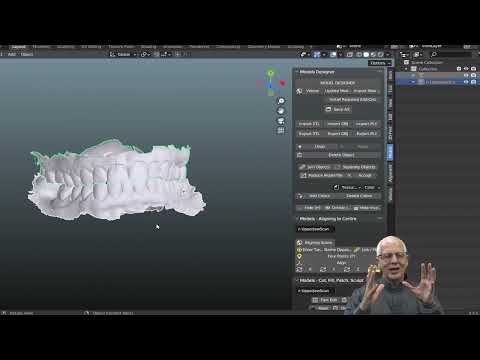

O Código da Cirurgia Guiada · Parte 1


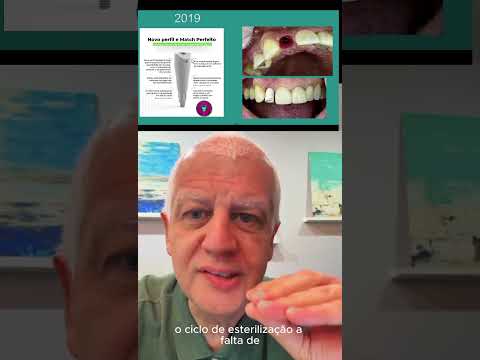




Como desenhar Ti-Base angulado no Exocad