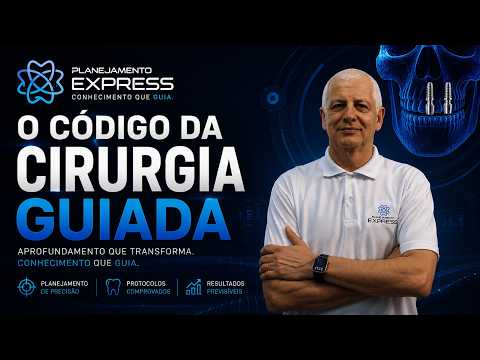
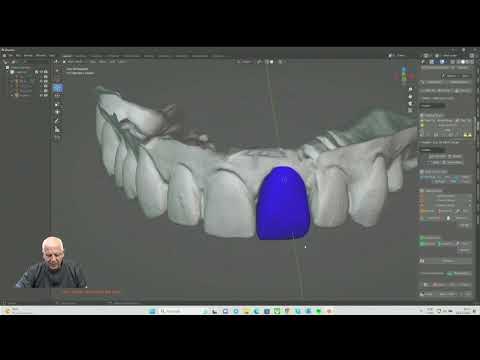
Planejamento Express: guided implant surgery for dentists across Brazil
Planejamento Express supports dentists with digital implant planning, surgical guides, and prosthetic solutions. Learn how to organize the workflow and assess the needs of each case.
Have questions about your treatment? Book an assessment at Dr. Welson Pimentel’s dental practice in Botafogo, Rio de Janeiro, to discuss your needs and care options. Visit the dental practice
For dentists looking to incorporate digital dentistry into daily practice, the main benefit goes beyond producing a guide: it lies in developing a structured treatment plan before surgery. This requires appropriate records, communication among everyone involved, and an assessment of clinical and technical limitations.
Have questions about your treatment? Book an assessment at Dr. Welson Pimentel’s dental practice in Botafogo, Rio de Janeiro, to discuss your needs and care options. Visit the dental practice
Have questions about your treatment? Book an assessment at Dr. Welson Pimentel’s dental practice in Botafogo, Rio de Janeiro, to discuss your needs and care options. Visit the dental practice
This support is particularly relevant for clinicians who want to integrate CT imaging, scanning, and restorative planning without handling every digital step in-house. However, it does not transfer clinical responsibility: diagnosis, treatment selection, informed consent, and treatment delivery remain the responsibility of the clinicians caring for the patient.
Planejamento Express solutions include:
- Digital planning for guided implant surgery.
- Surgical guides compatible with the approved plan and selected system.
- 3D anatomical models to support case assessment and communication.
- Digitally planned crowns and provisional restorations.
- Integration of surgical decisions and prosthetic requirements.
The scope should be defined for each case. A single-implant plan, for example, does not necessarily require the same steps as a full-arch rehabilitation.
Guided implant surgery for dentists: what changes in treatment
In guided surgery, implant positioning is planned digitally using anatomical and prosthetic information. A surgical guide can transfer some of these planned references to the procedure, depending on the protocol used.
Approaches offer different levels of guidance, ranging from guiding the initial drilling steps to protocols that also guide implant placement. The choice depends on the system, available instrumentation, and clinical conditions.
Digital planning does not replace clinical assessment
The virtual environment reveals relationships that help clinicians make decisions in advance. However, it does not fully reproduce factors such as tissue behavior, actual guide stability, or conditions encountered during surgery.
The literature describes benefits of guided surgery in transferring the treatment plan, but it also recognizes deviations between planned and achieved implant positions. Safety margins, fit verification, and readiness to manage complications therefore remain essential.
Guided surgery is not synonymous with flapless surgery, either. The need for surgical access, grafting, or other interventions depends on the diagnosis—not simply on the availability of a guide.
The prosthesis guides implant planning
An implant may be placed in an area with available bone and still present restorative challenges. The prosthetic emergence profile, screw access, interarch space, and access for oral hygiene all need to inform the decision.
Prosthetically driven planning starts with the desired rehabilitation to assess where and how implants can support it. When anatomical limitations exist, the plan must reconcile those constraints with clinically acceptable surgical and prosthetic alternatives.
Read also: How to Move Beyond Dental Implant Price Wars by Communicating the Value of Guided Surgery · Implant Dentistry Conferences: How to Get the Most Out of Them · Bilingual Dentists: English and French in Dental Care
Which clinicians can benefit from Planejamento Express
Digital planning support can serve different types of dental practices. Its relevance depends not only on implant placement volume, but also on the need to organize information and obtain technical support at specific stages.
| Clinician or practice profile | Common need | Contribution of digital planning |
|---|---|---|
| Implant dentist with a regular surgical caseload | Anticipate anatomical and instrumentation challenges | Advance assessment and organization of the surgical plan |
| Restorative dentist working with a surgical partner | Align implant positioning with prosthetic design | Shared reference for collaborative decisions |
| Practice transitioning to digital dentistry | Establish a workflow without bringing every step in-house | External support based on the agreed scope |
| Team managing complex cases | Integrate surgery, prosthetics, and documentation | Discussion of interdependencies and case limitations |
Clinicians new to implant surgery need to distinguish planning support from surgical training. A digital plan does not replace education, training in the selected system, or experience appropriate to the complexity of the procedure.
How to organize a case with Planejamento Express
The quality of the digital output begins with data collection. Incomplete or inconsistent files may require steps to be repeated and compromise case interpretation.
The following outline helps dentists prepare for the technical discussion. Specific submission requirements should be confirmed with the team before engaging the service and beginning production.
1. Define the clinical need and prosthetic goal
Describe the treatment site, intended type of rehabilitation, and key questions. Include relevant conditions, such as a history of grafting, limited mouth opening, occlusal changes, and patient expectations.
It is also important to clarify whether a provisional restoration is planned and which aspects still require a clinical decision. A clearly described goal helps prevent planning from proceeding on incorrect assumptions.
2. Gather appropriate imaging and records
Depending on the case, documentation may include cone-beam computed tomography, arch scans, bite registrations, photographs, and prosthetic planning references.
CT imaging is typically provided in DICOM format; surface files may use formats such as STL or PLY, depending on workflow compatibility. Imaging should be clinically indicated to avoid unnecessary radiation exposure.
3. Specify implants, components, and instrumentation
Identify the planned implant system, prosthetic options, and available surgical kit. The digital library, guide sleeves, drills, and guiding devices must be compatible with the selected protocol.
Without this verification, a virtually sound plan may not be executable with the instruments available in the practice.
4. Review the plan before production
The treating dentist should verify positions, dimensions, anatomical relationships, guide support, and consistency with the proposed prosthesis. Any questions should be resolved before approval.
This review should be treated as a clinical step, not an administrative formality. Subsequent changes may require replanning or remanufacturing.
5. Check the devices and prepare for surgery
Before the procedure, check the fit, stability, integrity, and identification of the devices received. Follow applicable cleaning, disinfection, or sterilization instructions for the material and manufacturer.
The team also needs to organize the instrumentation sequence and a safe alternative in case the guide cannot be used as planned.
Surgical guides, anatomical models, and provisional restorations: different roles
Although these resources may be part of the same workflow, they serve distinct purposes. Understanding what each provides helps practices order what they need and avoid unrealistic expectations.
Surgical guides transfer planned references
A guide directs steps of the procedure according to its design and the system used. Its performance depends on record quality, file alignment, manufacturing, and intraoral stability.
Guides may be tooth-supported, mucosa-supported, or bone-supported, depending on the indication. Fixation, access, irrigation, and space for instruments must be assessed before surgery.
3D anatomical models support visualization and communication
Anatomical models provide a physical representation of selected structures. They can support anatomical understanding, discussion among clinicians, and explanations of treatment to the patient.
They do not replace imaging analysis or reproduce every biological characteristic of the tissues. Their usefulness should justify their inclusion in the case.
Digitally planned crowns and provisional restorations
Digital design of crowns and provisional restorations helps integrate tooth form, restorative space, and implant positioning. In selected situations, it allows rehabilitation steps to be planned in advance.
This does not guarantee immediate prosthesis placement. That decision depends on clinical factors, implant stability, load distribution, occlusion, and conditions observed during treatment.
Planejamento Express in dental practice management
From a management perspective, adopting digital planning means reorganizing responsibilities and verification checkpoints. Purchasing equipment or hiring a service alone does not resolve documentation and communication problems.
A well-defined workflow may reduce avoidable back-and-forth and support more organized scheduling. However, these benefits depend on team adherence and should not be treated as a guarantee of lower costs or shorter surgical time.
How to evaluate the investment in digital planning
A quote should be assessed by its scope, not just the price of a guide. Before engaging the service, clarify:
- Which planning steps are included.
- Which devices will be produced.
- How plan review and approval work.
- Which files and records must be provided.
- How adjustments or changes in the treatment approach will be handled.
- Which production and shipping conditions apply to the case.
Within the practice, track the need for new records, changes after approval, and clinical adjustments. These indicators help identify process problems without attributing outcomes that depend on the entire team to technology alone.
Nationwide service requires structured communication
When working with dentists in different regions, information sharing must be clear. Case identification, plan versions, and approval confirmations should remain organized.
Turnaround times and shipping arrangements must be confirmed before surgery is scheduled. Imaging and personal data must also be handled in accordance with confidentiality, access control, and applicable requirements of Brazil’s General Data Protection Law (LGPD).
In clinical practice
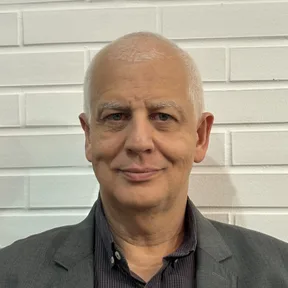
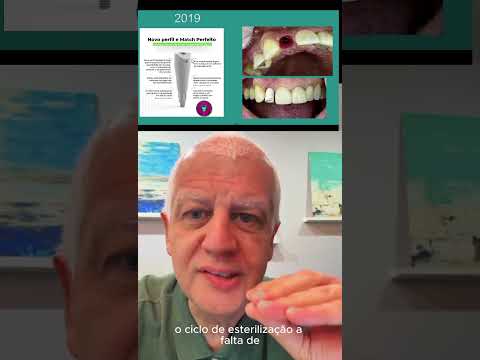
The experience behind Planejamento Express brings together surgery, prosthodontics, and digital tools. Dr. Welson Pimentel has practiced dentistry for more than 30 years in Niterói, Rio de Janeiro, Brazil. He holds a doctorate in Clinical Dentistry from Fluminense Federal University (UFF), a master’s degree in Prosthodontics, and specialist qualifications in Implant Dentistry, Periodontics, and Temporomandibular Disorders and Orofacial Pain.
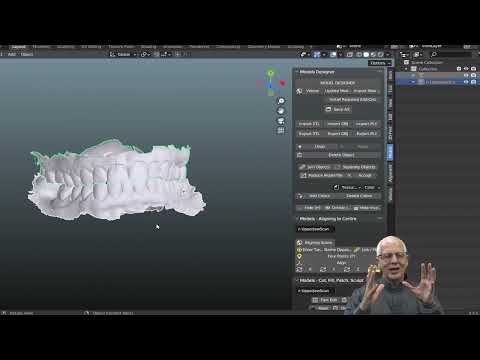
His education includes postgraduate training in Advanced Implant Surgery at UCLA. He also coordinates the implant dentistry program at ABO São Gonçalo and serves as an instructor in Exoplan/Exocad, Blender for Dental, Nemoscan, and Medit Link.
This combination of disciplines supports a practical principle: a plan should be evaluated as a complete rehabilitation, not as an isolated image of implants positioned in bone. The assessment needs to include surgical access, components, prosthetic emergence, and future maintenance.
Consider, as an illustrative example, a posterior case with limited mouth opening. Even if the virtual implant position is satisfactory, the combined height of the guide and instruments may make access impossible. Recognizing this limitation early allows alternatives to be discussed before the device is produced.
The value of experience lies precisely in asking these questions and recognizing when a digital solution needs to be modified or is not the best option.
How to start a conversation with Planejamento Express
To request an assessment of the scope of services, prepare a clinical summary, describe the desired rehabilitation, and specify which records are already available. Include the intended implant system and the instrumentation you have on hand.
Not every decision needs to be finalized before starting the conversation, but outstanding questions must be clearly identified. Confirm documentation requirements, expected deliverables, and business terms with the team before proceeding.
Have questions about your treatment? Book an assessment at Dr. Welson Pimentel’s dental practice in Botafogo, Rio de Janeiro, to discuss your needs and care options. Visit the dental practice
Conclusion
Have questions about your treatment? Book an assessment at Dr. Welson Pimentel’s dental practice in Botafogo, Rio de Janeiro, to discuss your needs and care options. Visit the dental practice
To assess how this workflow could fit into your practice, speak with Planejamento Express or Dr. Welson Pimentel about the needs of your next case.
Frequently asked questions
Does Planejamento Express serve dentists across Brazil?
Yes. Planejamento Express provides digital planning and solutions for dentists throughout Brazil. Documentation requirements, turnaround times, and device shipping arrangements should be confirmed with the team.
What solutions does Planejamento Express offer?
Solutions include digital planning for guided surgery, surgical guides, 3D anatomical models, and digitally planned crowns and provisional restorations. The scope is defined according to the needs of each case.
What imaging and records are needed to plan guided surgery?
CT imaging and surface records of the dental arches are generally used, supplemented by clinical and prosthetic information. The exact documentation depends on the indication and should be confirmed before submission.
Do I need an intraoral scanner to use the planning service?
You do not necessarily need your own scanner, but you do need digital records suitable for the workflow. Confirm with the team which acquisition methods and file formats are accepted for your case.
Does guided surgery guarantee flapless surgery and an immediate prosthesis?
No. The need for flap elevation and the possibility of immediate prosthesis placement depend on anatomical, surgical, and biomechanical conditions. A guide does not eliminate risks or replace clinical assessment.
How can I request a quote from Planejamento Express?
Contact the team with a case summary, the prosthetic goal, available records, and information about implants and instrumentation. The quote should specify the steps, devices, and terms for review and delivery.
Dental care in Botafogo · Rio de Janeiro
Your smile deserves personalized care
Talk to Dr. Welson Pimentel about implants, prosthetics and oral health. An assessment is the first step toward understanding the right care for you.
- ✓ Dental implants
- ✓ Dental prosthetics
- ✓ Oral health