Bilingual Dentists: English and French in Dental Care
Providing care in English and French takes more than knowing dental terminology. Learn how to create a safe experience for international patients and what to check when looking for a bilingual dentist in Niterói.

A bilingual dentist is a professional who can provide dental care in Portuguese and another language with enough clarity to understand symptoms, explain treatments, and confirm the patient's understanding. For anyone seeking care in English or French in Niterói, it is important to confirm the available language, the dentist's clinical experience, and how instructions and follow-up care will be handled before scheduling.
Language affects much more than the welcome at the front desk. It plays a role in taking a medical history, assessing pain, discussing alternatives, and obtaining consent for each procedure. For dentists, developing this skill is also a career and practice management decision: it expands their ability to welcome patients but requires preparation throughout the patient journey.
What defines a bilingual dentist in clinical practice?
Knowing the names of instruments or being able to hold a conversation while traveling does not necessarily mean someone is prepared to provide care in another language. Clinical communication requires understanding details that may change treatment decisions.
Dentists need to distinguish spontaneous pain from pain triggered by a stimulus, understand how patients take their medications, and explain treatment limitations without creating unrealistic expectations. They must also recognize when a statement has not been understood.
Well-organized bilingual dental care should make it possible to:
- Explore the chief complaint and health history.
- Identify allergies, medications, and relevant health conditions.
- Explain possible diagnoses, tests, and treatment alternatives.
- Present risks, benefits, costs, and limitations.
- Provide oral hygiene, home care, and follow-up instructions.
- Document relevant information in the patient's record.
If a dentist provides care in Portuguese, English, and French, the service is more accurately described as trilingual. Even so, “bilingual dentist” is commonly used when searching for care in a language other than Portuguese.
Read also: How to Move Beyond Dental Implant Price Wars by Communicating the Value of Guided Surgery · Implant Dentistry Conferences: How to Get the Most Out of Them · Planejamento Express: guided implant surgery for dentists across Brazil
Bilingual dentist in Niterói: what to confirm before scheduling
People who are away from their home country may find it difficult to understand how a Brazilian dental office operates. In Niterói and the Rio de Janeiro metropolitan area, those seeking care in another language may include international residents, students, business travelers, and tourists.
The office's proximity matters, but it should not be the only consideration. Patients need to verify that the care offered meets both their clinical and language needs.
Helpful questions when looking for care in English or French
Before scheduling an appointment, consider asking:
- Will the dentist personally conduct the appointment in my language? Bilingual front-desk service does not mean the clinical appointment will be in the same language.
- Is that language available on my preferred day and time? Availability may depend on the treating dentist.
- Can the office address my dental needs? Pain, a broken tooth, implants, and prosthetic rehabilitation require different assessments.
- Will I receive instructions I can understand? This is especially important after surgical procedures.
- How are follow-up appointments handled? Patients with upcoming travel should discuss continuity of care before starting treatment.
It is also advisable to verify the dentist's registration with the Regional Council of Dentistry (CRO) and, when relevant, their registered specialty. Language proficiency complements clinical qualifications; it does not replace them.
English and French in dentistry: clarity before technical vocabulary
The purpose of language during an appointment is not to sound sophisticated. It is to build a shared understanding. A patient may speak fluently about work but still be unfamiliar with terms related to gums, dental prostheses, or surgery.
For this reason, plain language, images, and short questions are often more useful than lengthy explanations filled with technical terminology.
| Clinical situation | Plain English | Plain French |
|---|---|---|
| Locating pain | Where does it hurt? | Où avez-vous mal ? |
| Asking about onset | When did the pain start? | Quand la douleur a-t-elle commencé ? |
| Checking medications | What medicines are you taking? | Quels médicaments prenez-vous ? |
| Asking about allergies | Do you have any allergies? | Avez-vous des allergies ? |
| Agreeing on a pause | Raise your hand if you need a break. | Levez la main si vous avez besoin d’une pause. |
These phrases are examples of communication, not a sufficient script for conducting an appointment. Responses may require follow-up questions, clarification of regional expressions, and specific clinical assessment.
Confirm understanding without causing embarrassment
Simply asking “Do you understand?” often produces answers that reveal little. Some people agree out of politeness, embarrassment, or anxiety, even when they still have questions.
An alternative is to ask patients to explain, in their own words, how they will manage their care at home. The dentist can frame this as a check of their own explanation: “I want to make sure I explained this clearly. How will you follow these care instructions?”
This approach helps identify communication gaps before they become problems during recovery.
Dental care for international patients: a step-by-step guide for the office
Organizing a bilingual patient experience requires more than translating a website. Advertised services must match what the team can actually provide at every stage.
1. Identify the preferred language at first contact
Ask which language the person prefers for conversations and instructions. Do not assume language preference based on nationality: a French-speaking patient may prefer English, or someone may feel comfortable using Portuguese for everyday matters but not for clinical decisions.
Record this preference and confirm that care is available in that language before scheduling.
2. Prepare the health history without relying solely on translation
Translated forms help, but they should be reviewed during the appointment. Medication brand names may vary between countries; when necessary, ask for the packaging, prescription, or active ingredient name.
Dates and units of measurement also deserve attention. Spell out dates when there is a risk of ambiguity, and confirm doses and frequency of use rather than making assumptions about incomplete information.
3. Explain the diagnosis with visual support
Photographs, X-rays, and scans can make information easier to understand. Show which structure is being discussed and distinguish what has already been identified from what still requires further testing.
Images should support the conversation, not replace the explanation. Seeing a digital treatment plan does not mean the patient understands its risks or that the outcome is guaranteed.
4. Discuss alternatives, costs, and consent
Present clinically appropriate options, including limitations and the consequences of delaying treatment when relevant. Explain which steps are planned and which decisions depend on additional findings.
The cost estimate should specify the scope of treatment, terms, and any items that may not be included. Informed consent is a process of dialogue, not simply signing a translated document.
5. Provide instructions and arrange follow-up care
Provide readable instructions covering home care, prescribed medications, warning signs, and contact methods. Confirm that the patient understands when to seek reevaluation.
If the patient has upcoming travel, document it and discuss whether it is compatible with the treatment. The patient's schedule should be considered, but it must not impose timelines that compromise clinical safety.
Machine translation and interpreters in the dental office
Translation tools can help with administrative messages and simple clarifications. However, they have limitations when handling abbreviations, negations, doses, technical terms, and subjective descriptions of symptoms.
During conversations about surgery, sedation, risks, or a complex medical history, dentists should assess whether they can communicate safely. When necessary, it is prudent to arrange qualified language assistance or refer the patient to a practice with appropriate resources.
Having family members present may provide comfort, but they may also filter information or make the patient uncomfortable. Avoid relying on children to interpret sensitive clinical matters.
Using external platforms requires attention to confidentiality and data protection. Health information should not be entered indiscriminately into translation tools. The purpose, security, and applicable obligations—including Brazil's General Data Protection Law (LGPD)—must be evaluated.
Career and practice management: developing sustainable bilingual care
For dentists, studying English or French can support professional development and patient communication. Turning that skill into a consistent service, however, depends on training and established processes.
Development should combine general conversation, clinical vocabulary, and simulations of real situations: an anxious patient, questions about a cost estimate, or a complication that needs to be explained calmly.
Train the front-desk team, too
The team does not need to answer clinical questions to provide a welcoming experience. They need to know how to confirm appointment times, share location details, explain document requirements, and direct questions to the dentist.
Create reviewed templates for frequently sent messages, but avoid automated responses that promise a diagnosis, timeline, or outcome before an evaluation. When a message involves symptoms, the front-desk team should follow a guidance protocol established by the clinician responsible.
Advertise only the language services actually available
On the website and local business profiles, clearly state which languages are offered and by whom. Do not advertise “care in French” if that communication is limited to automatically translated messages.
For searches such as “bilingual dentist in Niterói,” clear information about the address, directions, scheduling, and languages is more helpful than repeating keywords. Marketing should comply with dental ethics rules and avoid promises of results.
In clinical practice
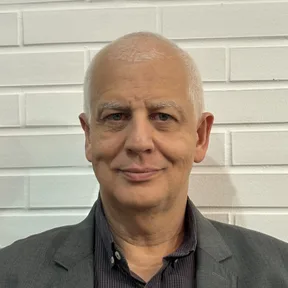
From Dr. Welson Pimentel's clinical perspective, developed over more than 30 years of practice and work with digital treatment planning, technology should support understanding and decision-making. This principle is especially useful when language differences are involved.
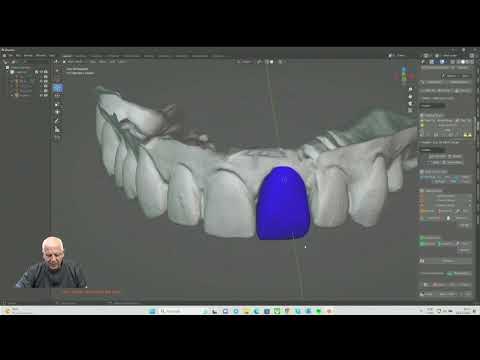
In implant rehabilitation, for example, patients need to distinguish between the implant placed in the bone, the connecting component, and the prosthesis that contributes to appearance and chewing function. A digital representation can help explain these parts, provided it is accompanied by accessible language.
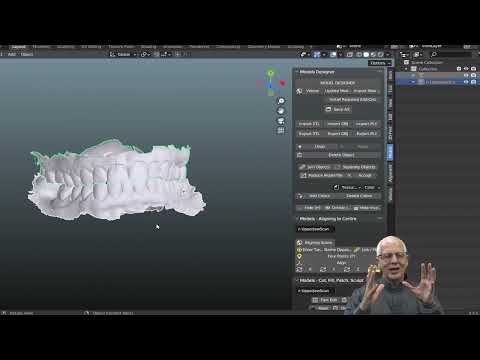
It is also essential to distinguish planning from a guarantee. Guided surgery, anatomical models, and digital prosthetic designs help organize a case, but they do not eliminate biological variability, the need for adjustments, or follow-up care.
The practical application is straightforward: before ending the appointment, check whether the patient can explain what problem is being treated, what the next step is, and which care instructions they should follow. This check is valuable in any language.
International patients and continuity of care
Not every dental problem should be fully resolved during a short stay. In some situations, the priority may be to manage the urgent problem, establish a diagnosis, and arrange continued care where the patient lives.
Surgical and rehabilitative treatments may require follow-up visits, maintenance, and healing time. Whether a patient can travel or perform a particular activity after a procedure depends on an individual assessment.
When care is transferred, a clear report can include procedures performed, relevant materials, diagnostic records, and recommendations. For implant cases, identifying the implant system and components used is particularly important for future maintenance.
Sharing this information must respect the patient's authorization and data protection requirements. Communication with another professional can ease the transition, but it does not replace an in-person evaluation when indicated.
Have questions about your treatment? Book an assessment at Dr. Welson Pimentel’s dental practice in Botafogo, Rio de Janeiro, to discuss your needs and care options. Visit the dental practice
Conclusion
Being a bilingual dentist means using language as a tool for care: listening accurately, explaining clearly, and confirming that patients participate in decisions. English and French add value when they are part of an organized workflow supported by clinical preparation, documentation, and follow-up.
For anyone seeking care in Niterói, the first step is to confirm the available language and whether the practice can address their needs. For professionals who want to organize cases using digital tools, Planejamento Express can support treatment planning. To learn about care options, contact Dr. Welson's team and confirm language availability in advance.
Frequently asked questions
How can I find a bilingual dentist in Niterói?
Check dental offices' official websites and communication channels, and confirm that the dentist personally provides care in your preferred language. Also verify their registration with the Regional Council of Dentistry (CRO), scope of practice, location, and availability for follow-up appointments.
Does Dr. Welson Pimentel provide care in English or French?
Availability of care in these languages should be confirmed directly with the team before scheduling. Do not assume that every provider or appointment time offers the same language support.
Is a translation app enough for a dental appointment?
It may help in simple situations, but it should not be the sole basis for complex clinical decisions. Errors involving symptoms, allergies, doses, or risks can compromise safety; qualified language assistance may be necessary in these cases.
What should an international patient bring to the first appointment?
Bring identification, a list of medications and allergies, any available diagnostic records, and information about previous treatments. If you have implants, bring details identifying the implant system and components, when available, and let the team know about any upcoming travel dates.
Can dental treatment be completed during a trip?
It depends on the diagnosis, complexity, and need for healing and follow-up visits. The dentist should assess what can be done safely and arrange continuity of care when the available time is insufficient.
Dental care in Botafogo · Rio de Janeiro
Your smile deserves personalized care
Talk to Dr. Welson Pimentel about implants, prosthetics and oral health. An assessment is the first step toward understanding the right care for you.
- ✓ Dental implants
- ✓ Dental prosthetics
- ✓ Oral health