Gum Grafting Around Dental Implants: When Is It Indicated?
Gum grafting can improve tissue thickness, the width of keratinized mucosa, and soft tissue contours around dental implants. Learn when it makes sense and why evaluating implant position and the restoration is essential.

Gum grafting around dental implants is a surgical procedure intended to increase tissue thickness or the width of keratinized tissue and, in selected cases, correct mucosal contour deficiencies. It may be indicated when tissue is thin, oral hygiene is uncomfortable, plaque control is difficult, or esthetics are compromised, but it is not necessary for every implant. The decision depends on local tissue health, implant position, bone support, and prosthetic design.
What is gum grafting around dental implants?
Although commonly called the “gum around an implant,” the technical term is peri-implant mucosa: the soft tissue surrounding the portion of the implant or prosthetic component near the oral cavity. Grafting modifies this tissue to address a specific clinical need.
It is important to distinguish between two objectives that are often confused:
- Increasing tissue thickness: adding tissue volume, which may improve contours and reduce show-through of underlying components.
- Increasing the width of keratinized mucosa: widening the band of tissue that is more resistant to friction and supports comfort during oral hygiene.
Another possible goal is to reposition a receded mucosal margin that has left components exposed. Achieving this coverage depends more heavily on local conditions and should not be promised before a careful evaluation.
Are gum grafting and bone grafting the same thing?
No. Gum grafting addresses soft tissue; bone grafting aims to rebuild or augment the mineralized tissue supporting the implant.
Both procedures may be part of the same treatment plan, but one does not replace the other. If bone loss is associated with peri-implant disease, increasing mucosal volume alone does not address the cause or automatically restore the lost support.
Read also: Occlusion in Implant-Supported Prostheses: Fundamental Principles · Digital Occlusal Splints: Planning and Fabrication · Bruxism and Dental Implants: How to Protect the Restoration
When is gum grafting around dental implants indicated?
The indication should not be based solely on how a photograph looks. The examination must consider tissue characteristics, symptoms, oral hygiene, the condition of the restoration, and the stability of bone levels together.
Limited keratinized mucosa and difficulty with oral hygiene
Some patients have thin, mobile mucosa next to an implant-supported restoration. Brushing may cause discomfort, leading to less effective oral hygiene.
In these situations, widening the band of keratinized tissue may improve comfort and facilitate plaque control. However, a narrow band alone does not make surgery mandatory: implants can remain healthy under these conditions, especially with adequate hygiene and follow-up care.
Thin tissue, show-through, and contour changes
In esthetic areas, thin tissue may allow the grayish color of a component or the implant to show through. There may also be insufficient volume on the facial aspect, creating a depression compared with the adjacent teeth.
Grafting may help, but not every shadow is caused solely by tissue thickness. Restorative material, implant position, bone support, and prosthetic characteristics also need to be evaluated.
Mucosal recession around the implant
Recession is the displacement of the tissue margin, which may expose part of the component or implant. Contributing factors include unfavorable positioning, thin tissue, bone deficiency, inflammation, and an overcontoured restoration.
Coverage is possible in some cases, but its predictability varies. Implants positioned too far facially, loss of support between teeth and implants, or large defects reduce the potential for correction with soft tissue alone.
Does gum grafting prevent or treat peri-implantitis?
Grafting can be part of a strategy to maintain peri-implant health, but it does not provide absolute protection against disease. In certain settings, the literature associates a reduced band of keratinized mucosa with greater discomfort during oral hygiene and less favorable inflammatory parameters; this does not mean every patient needs surgery.
It is essential to distinguish between:
- Peri-implant mucositis: inflammation of the soft tissues around an implant without progressive bone loss beyond initial remodeling.
- Peri-implantitis: an inflammatory condition associated with progressive loss of supporting bone.
Bleeding, suppuration, increased probing depths, and bone changes require investigation. Grafting alone does not eliminate biofilm, correct a restoration that prevents adequate cleaning, or independently treat a contaminated implant surface.
When disease is present, control of infection and local contributing factors must be incorporated into the treatment plan. Soft tissue management may be staged or combined with other procedures, depending on the case.
Which gum grafting techniques can be used?
The choice depends on the problem being addressed. “Adding gum tissue” is a simplified description of procedures with different indications and clinical behavior.
| Technique | Most common objective | Limitations and considerations |
|---|---|---|
| Connective tissue graft | Increase thickness and improve contours; assist with coverage in selected cases | Usually requires a donor site and depends on vascular supply and local anatomy |
| Free gingival graft | Widen the band of keratinized mucosa | May differ in color and texture, which is particularly relevant in the anterior region |
| Soft tissue substitute matrices | Avoid or reduce the need to harvest the patient's own tissue for specific indications | Volume gain, shrinkage, and stability vary with the material and clinical situation |
Connective tissue grafting around implants
Connective tissue is usually harvested from the palate, or roof of the mouth, and placed in a prepared site around the implant. The technique can be combined with different flap designs to support graft coverage and nourishment.
It is a common option when the focus is on thickness and esthetic integration. Outcomes depend on factors such as blood supply, tissue stability, tension-free closure, and control of the underlying causes.
Free gingival grafting to increase keratinized tissue
A free gingival graft is often indicated when the priority is to widen the band of keratinized mucosa. It can be especially useful in areas with mobile tissue and discomfort during brushing.
Because it retains characteristics of the donor site, its appearance may differ from the neighboring tissue. The choice should therefore balance function, location, and esthetic expectations.
Soft tissue substitutes
Some matrices can eliminate the need for a second surgical site or reduce the amount of tissue harvested. This option may be relevant when anatomical limitations exist or larger areas need treatment.
However, substitutes are not equivalent to the patient's own tissue for every indication. The decision should consider the available evidence, the desired gain, and material-specific limitations.
When is the best time for gum grafting?
There is no single required treatment stage for every case. The procedure can be performed before implant placement, during implant surgery, at second-stage surgery, or after delivery of the restoration.
- Before implant placement: when soft tissue conditions need to be prepared for subsequent treatment stages.
- At implant placement: when the anatomy and surgical approach allow the procedures to be combined.
- At second-stage surgery: when the implant has healed submerged and there is an opportunity to manage the tissues during uncovering.
- After restoration delivery: when a functional or esthetic indication develops, or a preexisting deficiency needs correction.
Performing surgery after restoration delivery does not necessarily mean the previous treatment failed. However, the restoration may need to be modified or temporarily removed to allow access, healing, and a more favorable contour.
How is gum grafting around implants planned?
Sound treatment planning begins with diagnosis, not technique selection.
Step-by-step evaluation
- Listen to the patient's concern: identify whether the main issue is pain during brushing, metal exposure, an esthetic change, or recurrent inflammation.
- Examine peri-implant health: assess plaque, bleeding, suppuration, probing depths, and changes in clinical records over time.
- Analyze the soft tissues: evaluate thickness, keratinized tissue width, mobility, scarring, and muscle pull.
- Evaluate the implant and bone support: order imaging according to diagnostic needs, rather than automatically prescribing CBCT for every patient.
- Review the restoration: check hygiene access, emergence profile, overcontours, and possible excess cement, when applicable.
- Control risk factors: consider smoking, glycemic control, systemic conditions, and relevant medications.
- Set realistic goals: explain the expected gain, limitations, alternatives, and potential need for additional procedures.
Photographs and intraoral scanning help document contours and support discussions about prosthetic changes. These tools complement, but do not replace, the clinical tissue examination.
Gum graft recovery: what to expect
Surgery is usually performed under local anesthesia. Postoperative tenderness, swelling, minor bleeding, and discomfort may occur, particularly when there is a palatal donor site.
Symptom intensity varies with the extent of surgery, the technique, and individual characteristics. Initial wound closure occurs during the first few weeks, but tissue maturation and contour stabilization continue for months.
Common postoperative instructions include:
- Avoid pulling on the lip or manipulating the area to inspect the graft.
- Adjust your diet to reduce local trauma.
- Clean nonsurgical areas and follow specific instructions for the surgical site.
- Use medications and antiseptics only as prescribed.
- Avoid tobacco and follow recommendations regarding physical exertion.
- Attend follow-up visits to monitor healing.
Do not stop anticoagulants or other regularly prescribed medications on your own. Persistent bleeding, fever, discharge, or worsening pain and swelling require contacting the treating clinician.
What are the risks and limitations of grafting around an implant?
Like any surgery, this procedure carries risks. These include bleeding, infection, wound dehiscence, partial or complete graft loss, altered sensation, and donor-site discomfort.
Tissue shrinkage, color differences, or an esthetic outcome below expectations may also occur. Recession may improve without resolving completely, and papilla formation between implants or between an implant and a tooth depends on anatomical conditions that grafting alone cannot control.
When implant positioning is highly unfavorable or the implant is significantly compromised, relying solely on mucogingival surgery may not be the best solution. Prosthetic revision, reconstruction of other tissues, or, in selected cases, implant removal should be discussed.
In clinical practice
In Dr. Welson Pimentel's clinical approach, experience in periodontics, implant dentistry, and prosthodontics guides an integrated evaluation: soft tissue, bone, implant position, and the restoration must be analyzed together.
The central question is not simply whether gum tissue is lacking, but why the tissue is in that condition and what outcome can be maintained. A bulky restoration or a poorly positioned implant can limit the benefit of technically well-executed surgery.
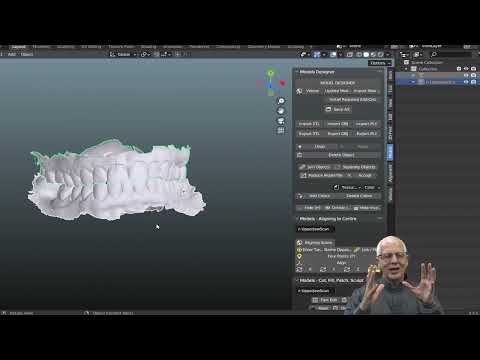
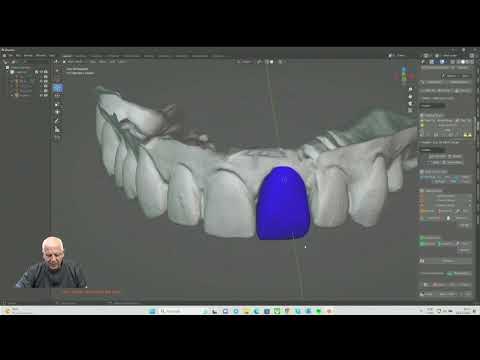
Digital planning helps visualize the relationships among implant position, the future crown, and tissue contours. Even so, the indication for grafting depends on a clinical examination and a clear discussion of expectations, oral hygiene, and regular maintenance.
Have questions about your treatment? Book an assessment at Dr. Welson Pimentel’s dental practice in Botafogo, Rio de Janeiro, to discuss your needs and care options. Visit the dental practice
Conclusion
Gum grafting around dental implants can improve tissue volume, widen the band of keratinized mucosa, and support comfort and esthetics in selected cases. Success depends on diagnosis, inflammation control, anatomical conditions, and integration with the restoration—not just surgical technique.
Have questions about your treatment? Book an assessment at Dr. Welson Pimentel’s dental practice in Botafogo, Rio de Janeiro, to discuss your needs and care options. Visit the dental practice
Frequently asked questions
Does every dental implant need a gum graft?
No. The indication depends on tissue thickness and quality, comfort during oral hygiene, peri-implant health, and esthetic needs. A narrow band of keratinized mucosa alone does not make surgery mandatory.
Can a gum graft cover exposed implant metal?
In some cases, it can improve coverage or reduce show-through. The outcome depends on implant position, bone support, the extent of recession, and the restoration; complete coverage is not guaranteed.
Can gum grafting be performed after the implant restoration is placed?
Yes. However, the restoration may need to be adjusted or temporarily removed to allow surgical access, proper healing, and a contour that supports oral hygiene.
Is gum grafting around an implant painful?
Surgery is usually performed under local anesthesia. Postoperative pain or tenderness may occur, including at the donor site, and can be managed with individually prescribed care and medication.
How long does gum graft recovery take?
Initial healing occurs during the first few weeks, while tissue maturation and contour stabilization continue for months. The timing for resuming activities and cleaning the area directly depends on the technique and follow-up evaluations.
Does gum grafting cure peri-implantitis?
No. Peri-implantitis requires treatment of the inflammation and contamination associated with bone loss. Soft tissue grafting may be part of the treatment plan, but it does not replace treatment of the disease.
Dental care in Botafogo · Rio de Janeiro
Your smile deserves personalized care
Talk to Dr. Welson Pimentel about implants, prosthetics and oral health. An assessment is the first step toward understanding the right care for you.
- ✓ Dental implants
- ✓ Dental prosthetics
- ✓ Oral health